Consumer Guide

How to Get Rid of Septic Odor in the House Instantly (6 Steps)

By Patricia HollowayContributing Editor
Fact-Checked
8-Minute Read
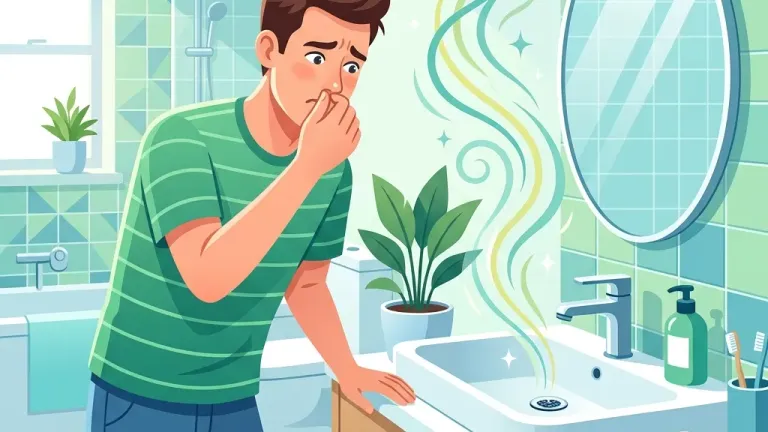
A homeowner checking under a bathroom sink and looking concerned, investigating a persistent sewage-like odor coming through household drains.
When septic odor enters the house, the source is almost never where you can see it — and almost always fixable without calling an emergency plumber.

A rotten egg smell inside your home is one of the most alarming things a homeowner can experience. It feels like a plumbing emergency. It smells like one, too.

The good news: most indoor septic odors have fixable causes that do not require an emergency pump-out or a plumber. The bad news: if you don't address them quickly, the gas that causes the smell — hydrogen sulfide — can reach concentrations indoors that cause headaches, nausea, and in enclosed spaces, more serious effects.

This guide walks through every step: locating the source, eliminating the immediate smell, and fixing the underlying biological problem so it does not come back.

Why Septic Odor Enters the House

Before following the 6-step protocol, it helps to understand what allows septic gas to enter a home. There are three pathways:

1. Dry or broken P-traps. Every drain in your house has a P-trap — the curved pipe section that holds a small amount of water to block gas from entering the room. If a drain is rarely used (a guest bathroom, a basement floor drain, a laundry sink), the water in the trap evaporates. With no water barrier, gas from the drain pipe enters the room directly.

2. Failed wax ring on the toilet. The wax ring seals the toilet base to the drain flange. A deteriorated or incorrectly seated wax ring creates a gap through which septic gas escapes directly into the bathroom.

3. Biological failure in the tank. When hydrogen sulfide production in the tank is high enough, the gas volume exceeds what your roof vent stack can safely vent. The excess pressure pushes gas backward through your plumbing — up through toilet bowls, drain openings, and any gap in the system. This is the most serious cause because it indicates the septic tank's bacterial ecosystem has collapsed.

Understanding which pathway is responsible for your indoor odor determines the correct fix.


6 Steps to Get Rid of Septic Odor in the House

Step 1 — Locate the Source (5 Minutes)

Before treating anything, identify where the smell is entering.

Walk through each room and note:

  • Is the smell stronger in one bathroom than others?
  • Is it concentrated around a specific drain, toilet, or floor drain?
  • Does it fade in carpeted rooms and intensify near tile floors with drain openings?
  • Is it present throughout the house equally, regardless of room?

If concentrated near a specific fixture: You are likely dealing with a dry P-trap, a failed wax ring, or a cracked drain pipe in that area. This is the easiest and cheapest category to fix.

If present equally throughout the house: You are likely dealing with biological failure in the tank, which is producing enough gas to pressurize the entire drain system. This requires biological treatment of the tank, not just a local plumbing fix.


Step 2 — Refill All P-Traps (10 Minutes)

This takes ten minutes and eliminates the most common cause of indoor septic odor immediately.

Go to every drain in the house that is not used daily:

  • Guest bathroom sink, shower, and tub
  • Basement floor drain
  • Utility sink
  • Garage floor drain (if connected to the house drain system)

Pour one gallon of water slowly down each drain. For floor drains that evaporate quickly, add a tablespoon of cooking oil after the water — the oil floats on the trap water and slows evaporation, maintaining the gas barrier for weeks.

Important: If the smell returns within 24–48 hours despite refilled traps, the P-trap itself may be cracked, missing, or improperly vented. A licensed plumber can diagnose this in a single visit.


Step 3 — Inspect and Reseat the Toilet Wax Rings

Rock each toilet gently side-to-side. If there is any movement, the wax ring seal may be compromised. A functioning toilet should be completely immobile at its base.

Signs of a failed wax ring:

  • Toilet rocks or shifts when sat on
  • Brown or yellow staining around the base of the toilet
  • Smell is strongest near the toilet base even after the floor is cleaned

Replacing a wax ring is a standard DIY repair — the materials cost $10–$20 and the process takes 30–60 minutes. If you are not comfortable with this repair, a plumber will typically complete it for $150–$300.


Step 4 — Run Water in All Unused Fixtures

Beyond the P-traps, run water through every fixture for 60 seconds:

  • All sinks (hot and cold)
  • Showers and tubs
  • Washing machine (run a quick rinse cycle)

This flushes out any stagnant water sitting in supply lines and ensures the full drain system is active. Stagnant water in warm conditions can develop its own bacterial activity and contribute to indoor odor independently of the septic tank.


Step 5 — Ventilate and Neutralize Immediately

While you address the root cause, reduce indoor hydrogen sulfide concentration with active ventilation:

  • Open windows in affected rooms and create cross-ventilation
  • Run bathroom exhaust fans continuously for 2–4 hours
  • Place a box of activated charcoal or baking soda in the most affected room (these absorb odor molecules from the air, providing temporary relief while biological treatment works)

Do not use aerosol sprays or heavy air fresheners. Fragrance compounds layered over hydrogen sulfide create a combined odor that is often worse than either alone — and fragrances do nothing to address the gas source.


Step 6 — Treat the Biological Root Cause in the Tank

Steps 1–5 address the symptom pathways — but if the tank is producing H₂S at a rate that is pressurizing your entire drain system, those steps provide only temporary relief. The gas will continue entering the house until the tank's biological balance is restored.

The biological fix:

Flush 2–3 oxygen-release effervescent tablets down the toilet closest to the septic tank. These tablets sink through the water column to the tank bottom, release free oxygen, and simultaneously neutralize existing H₂S gas molecules on contact and introduce aerobic bacteria that produce no hydrogen sulfide.

Most homeowners using this protocol notice a measurable reduction in indoor odor within 48–72 hours. Full biological stabilization — the point at which gas production is suppressed rather than just temporarily neutralized — takes 4–8 weeks of weekly maintenance doses.

Consumer Alert 2026

If you smell septic gas inside the house and the odor is accompanied by headaches, nausea, or fatigue, open windows immediately and leave the affected rooms. At high concentrations, hydrogen sulfide causes rapid incapacitation. Outdoor exposure at typical residential concentrations is unpleasant but not acutely dangerous; indoor concentrations in enclosed spaces can reach significantly higher levels.

— Occupational Safety and Health Standards, 2026


When Indoor Septic Odor Means a Plumbing Emergency

Most indoor septic smells are not emergencies. The following situations are:

Call a plumber immediately if:

  • The smell is sudden, intense, and accompanied by sewage backup in drains or toilets
  • You can smell the gas in every room including bedrooms with closed doors
  • The smell began immediately after a large storm or flood event (may indicate broken lateral lines or tank structural damage)
  • You or family members are experiencing headaches, dizziness, or nausea while inside the house

For situations without these emergency indicators, the 6-step protocol above resolves the problem in the large majority of cases.


Preventing Indoor Septic Odors from Returning

Once you have eliminated the immediate odor, these habits prevent recurrence:

1. Run water in all drains weekly. A brief 30-second flush of every rarely-used drain prevents P-trap evaporation — the single most common cause of intermittent indoor septic odor.

2. Maintain a monthly biological treatment. One oxygen-release tablet flushed monthly keeps aerobic bacteria dominant and H₂S production suppressed, preventing the tank-pressure scenario from recurring.

3. Eliminate antibacterial household products. Antibacterial soaps and bleach kill the beneficial bacteria that keep gas production in check. Switching to septic-safe, biodegradable cleaners removes the primary cause of biological collapse.

4. Know your roof vent stack. Have a plumber inspect your roof vent stacks annually — particularly if you have mature trees near the house. Blockages in vent stacks eliminate the primary gas escape pathway, forcing gas indoors.


Frequently Asked Questions

How long does it take for the septic smell to go away indoors?

After identifying and fixing the entry pathway (P-trap, wax ring, or pressurized system), the immediate smell clears within 1–4 hours with active ventilation. If the source is biological tank failure, the smell fully resolves within 48–72 hours of oxygen-release treatment as H₂S production drops.

Is it safe to stay in a house that smells like septic?

At low concentrations (the smell is detectable but not overwhelming), the main risk is discomfort. If the smell is strong enough to cause headaches or is present in every room including sleeping areas, ventilate the house and identify the source before sleeping in the affected rooms.

Can I use baking soda to fix a septic smell in my house?

Baking soda poured into individual drains can temporarily neutralize odor at the drain opening. It does not address P-trap issues, wax ring failures, or biological tank problems. It is a short-term comfort measure only.

Why does the septic smell only appear at night?

Nighttime is typically cooler, and falling temperatures can cause gas that expanded in daytime heat to contract and re-enter the home's drain system. Additionally, household water usage drops significantly at night, reducing the water pressure that normally suppresses gas backflow through drain openings.

Does my whole house need to be treated or just the bathroom?

The biological treatment — oxygen-release tablets flushed down the toilet — treats the tank itself. Once the tank stops producing excess H₂S gas, the pressure-driven gas entry into the house stops throughout the entire home, not just in the bathroom nearest the tank.


For a complete understanding of what causes septic odors at their biological root and how to eliminate them permanently, read the septic tank odor eliminator guide.


Editor's Recommendation — Sponsored

After Our Independent Analysis

Editor's Top Pick 2026Septifix — Best Septic Treatment
✓ 60-Day Money-Back Guarantee✓ Free Shipping on 12+ Month Packages✓ No Harsh Chemicals

Indoor septic odors are almost always a combination of two problems: an entry pathway that allows gas into the house (dry P-trap, worn wax ring), and a biological environment inside the tank that is producing too much hydrogen sulfide to contain. The biological fix — oxygen-release effervescent tablets — addresses the root cause. The physical fixes (running water, checking seals) address the pathways. Together, these steps eliminate the smell within 72 hours in most cases.

View the #1 Rated Treatment for Indoor Septic Odor Elimination →

Transparency: By clicking, you will be redirected to the manufacturer's official site. This is an independent editorial review that contains affiliate links.


Free Homeowner Tools

  • Septic Odor Source Finder — Follow the decision tree to identify whether your indoor odor is a plumbing issue, a venting issue, or a biological tank problem.
  • Septic Treatment Finder — Get a treatment recommendation matched to your tank's specific symptoms and household size.
  • Drain Field Risk Diagnostic — If your odor came with slow drains, check whether your drain field is contributing to the system-wide pressure backup.