
Can a Leach Field Be Restored? Rehab Options & Costs
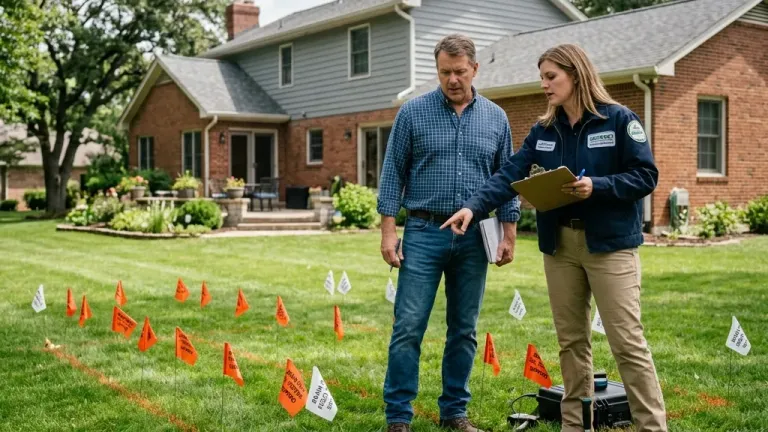
Can a Leach Field Actually Be Restored?
Yes — but with conditions.
This is the question every homeowner asks after receiving a repair estimate that runs into the tens of thousands of dollars. The answer is not a simple yes or no. It depends on three factors: why it failed, how far the failure has progressed, and which restoration method matches the cause.
For approximately 55 to 65% of homeowners with a “failed” drain field diagnosis, some form of restoration — ranging from non-invasive biological treatment to targeted mechanical intervention — can extend the system’s life by years without excavation.
For the remaining 35 to 45%, the failure is structural or the soil is permanently compromised. In those cases, replacement is the only viable option.
This guide walks through every available restoration option in order of cost, invasiveness, and appropriate application.
Full leach field replacement costs between $8,000 and $30,000 depending on system size, soil type, and local regulations. Biological restoration attempts cost $60 to $500. For eligible systems, skipping biological treatment before replacement is leaving thousands of dollars on the table.
— Independent Wastewater Infrastructure Report, 2026
Step 1: Diagnose Before You Treat
Before committing to any restoration method, confirm the failure mode and check if your soil can still absorb water. The three most common causes of leach field failure require completely different interventions:
Cause A: Biomat (Biological Clogging)
The soil pores are sealed by a dense layer of anaerobic bacteria and organic solids — the most common and most treatable cause. Symptoms include slow-draining fixtures throughout the house, wet grass over the field, and mild sewage odors outdoors.
Cause B: Hydraulic Overload
The system is receiving more water than the soil can absorb. This is common in households that have grown (more occupants, added appliances) since the system was originally sized. Symptoms are similar to biomat but disappear when water usage drops significantly.
Cause C: Structural Failure
Pipes have collapsed, roots have invaded the laterals, or the gravel bed has compacted beyond recovery. Symptoms include immediate backup with minimal water use and no improvement after extended low-usage periods.
Restoration Option 1: Biological Treatment (Most Cost-Effective)
Best for: Biomat clogging in systems less than 20 to 25 years old with partial drainage still occurring.
Cost range: $60 to $300
Timeline: 60 to 120 days
Aerobic bacteria and oxygen-releasing compounds can consume the biomat layer that is sealing the soil pores. The treatment is introduced through the toilet or septic tank clean-out access, reaches the drain field through normal effluent flow, and slowly restores soil permeability.
For the most effective biological protocols available in 2026, see our complete guide to leach field biological treatment options for homeowners. This is always the recommended first step before moving to any mechanical option. If you are considering hydro-jetting or aeration, read our step-by-step leach field cleaning guide first.
What to Expect
- Weeks 1 to 2: No visible change. The biological shift from anaerobic to aerobic conditions is occurring at the bacterial level.
- Weeks 3 to 6: Drainage rates may begin improving. Standing water episodes become less frequent.
- Weeks 8 to 16: Significant improvement in most eligible systems. Full soil permeability may be restored.
Restoration Option 2: Hydro-Jetting the Lateral Lines
Best for: Physical pipe blockages from lint, grease, or sediment.
Cost range: $300 to $800
Timeline: Immediate mechanical improvement; biological maintenance still required.
High-pressure water jetting clears debris from inside the perforated pipes but does not address biomat in the surrounding soil. This method should always be combined with biological treatment for lasting results. Used alone, re-clogging typically occurs within 30 to 90 days.
Restoration Option 3: Soil Aeration (Terralift)
Best for: Severely compacted soil or advanced biomat cases where biological treatment alone is insufficient.
Cost range: $500 to $1,500
Timeline: Immediate percolation improvement; must be maintained biologically.
A pneumatic probe is inserted into the soil and compressed air is forced in, fracturing compacted layers and creating new pathways for water flow. This is typically the last non-invasive option before recommending replacement.
Restoration Option 4: System Expansion or Relocation
Best for: Hydraulic overload cases where the existing field is undersized.
Cost range: $3,000 to $10,000
Timeline: 2 to 4 weeks for installation.
If the household water load has permanently exceeded the system’s designed capacity, additional drain field trenches can sometimes be added to the property — if soil conditions and local permit requirements allow it. This is a partial replacement, not a full one, and can extend the overall system’s life considerably.
Restoration Option 5: Full System Replacement
Best for: Structural pipe failure, permanently saturated soil, systems over 25 to 30 years old, or confirmed perc rate failure in the existing area.
Cost range: $8,000 to $30,000
Timeline: 1 to 3 weeks including permitting.
When restoration is not viable, replacement is the answer. The new system may be installed in the same area (if the soil is acceptable) or in a new location on the property after a fresh percolation test. Before agreeing to a full replacement quote, always use a professional calculator to estimate total costs — you can get a baseline with our septic cost estimator.
“The sequence matters: biological treatment first, mechanical intervention second, replacement last. Homeowners who skip biological assessment and proceed directly to excavation often replace systems that could have been restored — at a fraction of the cost.”
Making the Decision: Key Questions to Ask
Before signing any restoration or replacement contract, ask the contractor to answer these questions in writing:
- What is the confirmed failure mode — biomat, structural, or hydraulic overload?
- Was a biological treatment protocol attempted before mechanical intervention was recommended?
- What is the soil percolation rate in the existing drain field location?
- If replacing, is the new drain field going in the same location or a new area?
- What is the warranty on the restoration or replacement work?
Conclusion
A leach field failure diagnosis is not automatically a replacement sentence. The majority of biological failures can be addressed with targeted, cost-effective treatment before mechanical intervention becomes necessary. Start with the lowest-cost option, confirm improvement after 60 to 90 days, and escalate only when the evidence supports it.
Leach Field Treatment: The Biological Restoration Guide
Before spending $10,000 or more on excavation, give biology 90 days to restore what took years to clog. Full protocol with product recommendations.
View Treatment OptionsHow to Clear a Clogged Leach Field: An Independent Investigation
An in-depth look at the oxygen-based biological technology capable of dissolving the biomat and restoring drain field function without excavation.
Read the Full Guide